
The Phenomenon of Dutch Light
The 17th century in the Netherlands, often termed the "Golden Age," represents a pivotal moment in the history of visual arts. Unlike their contemporaries in Italy or France, who were often commissioned by the Catholic Church or absolute monarchs to paint grand mythological or religious scenes, Dutch masters turned their gaze towards the tangible reality of the world around them. This shift was not merely thematic; it was a fundamental redefinition of what art could be. The "Dutch Light" is not just a meteorological phenomenon of the Low Countries, characterized by moisture-laden air that diffuses sunlight into a pearly glow; it became a protagonist in the paintings themselves.
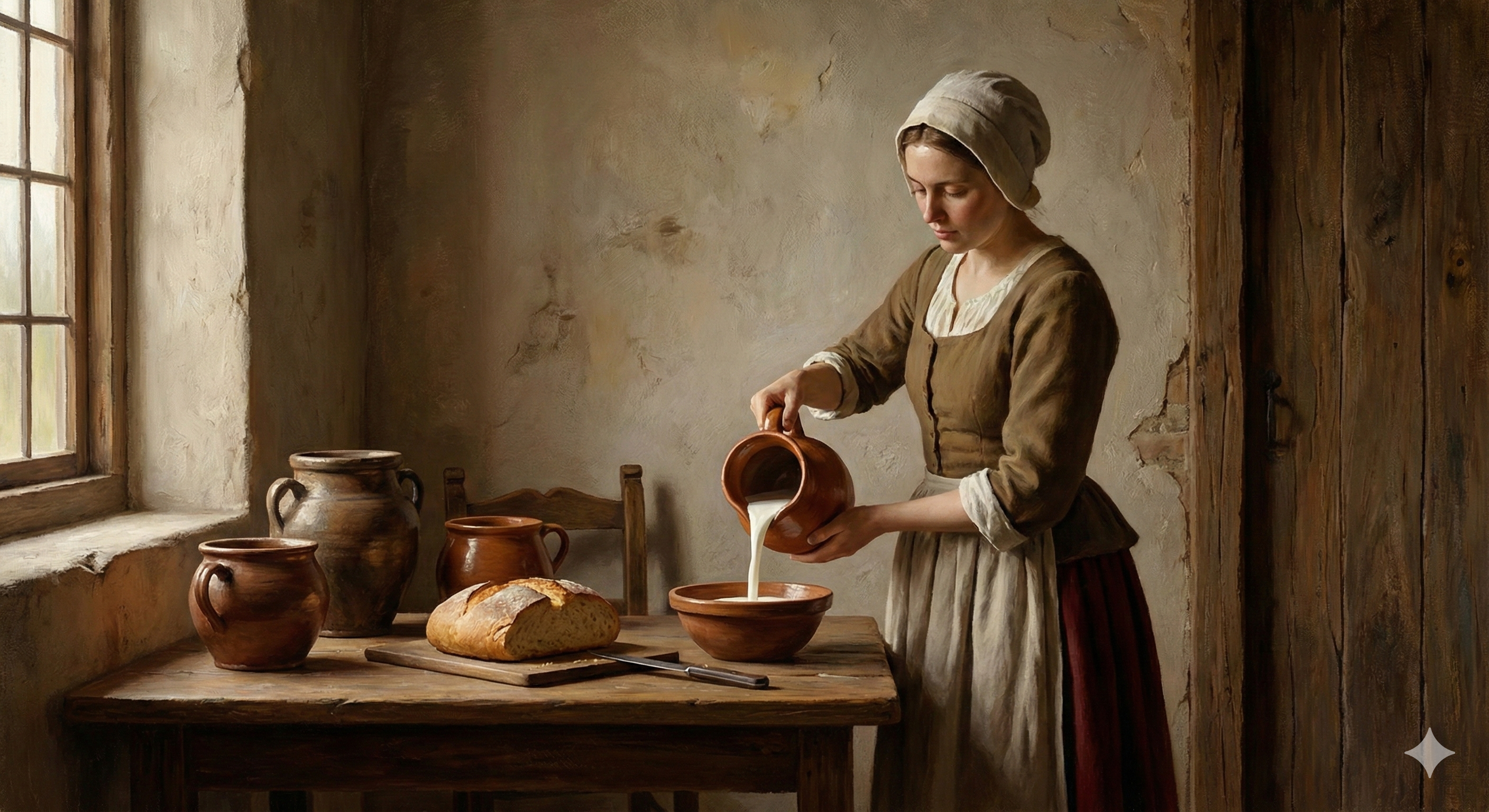
Consider the works of Vermeer. His interiors are not simply depictions of rooms; they are studies in how light enters a space, how it caresses a plastered wall, catches the sheen of a pearl, or reflects off a ceramic tile. This obsession with optical fidelity was revolutionary. It required a deep understanding of physics, observation, and patience. The artists of this era were documenting a rapidly changing world—a world of maritime trade, scientific discovery, and rising middle-class prosperity. Every object in a still life, from a Turkish rug to a Chinese porcelain bowl, told a story of global connection.
Furthermore, the realism of the Golden Age was deceptive. It was a "selected" realism. Painters like Jacob van Ruisdael did not just paint landscapes as they were; they composed them to evoke emotion, rearranging trees and castles to create a more perfect, dramatic composition. This tension between the real and the ideal is what keeps these images compelling four centuries later. We are looking at a world that feels incredibly alive, yet frozen in a moment of eternal perfection.
The Stormy Estuary
Landscape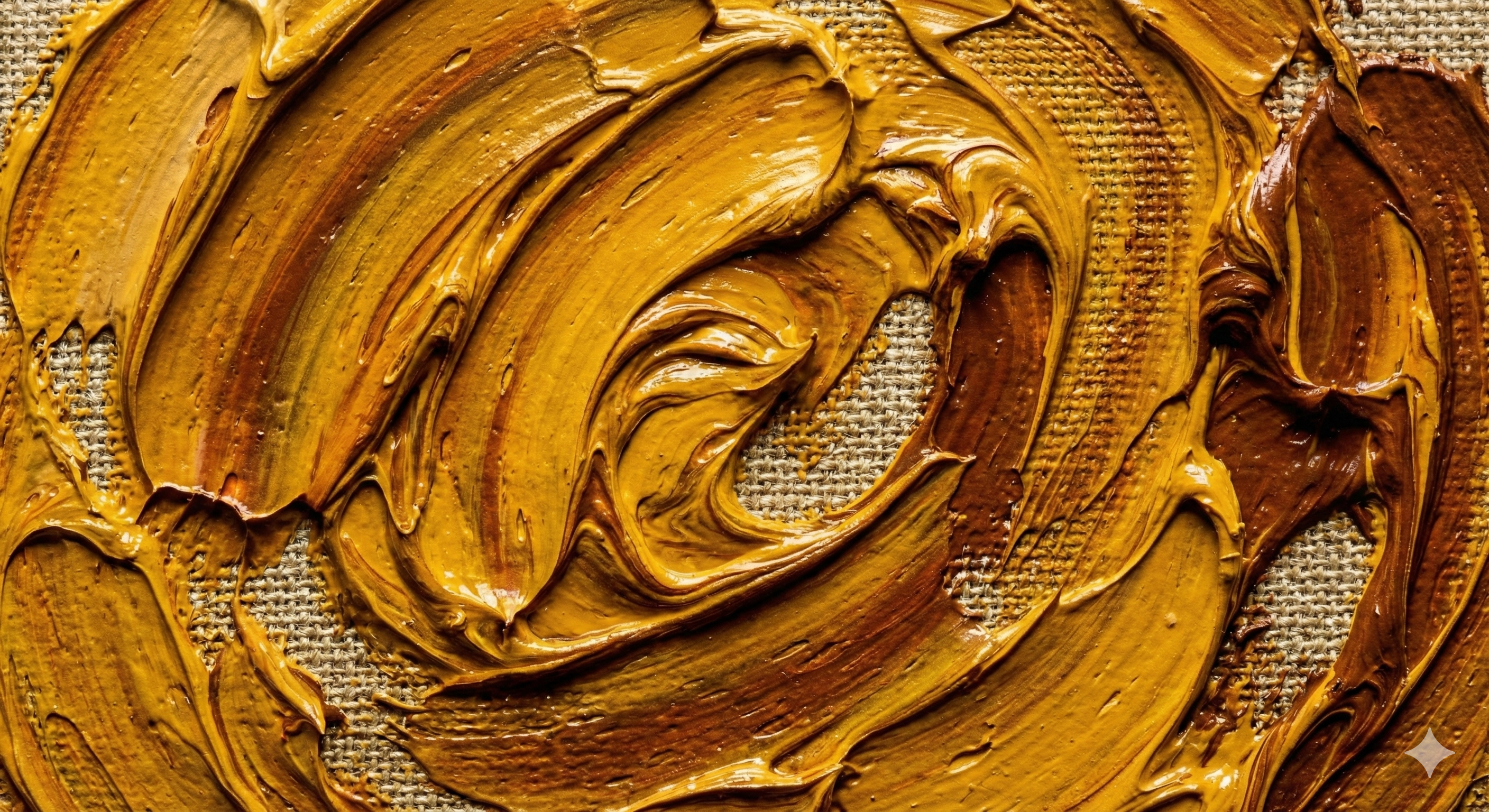
The Guild Master
Portrait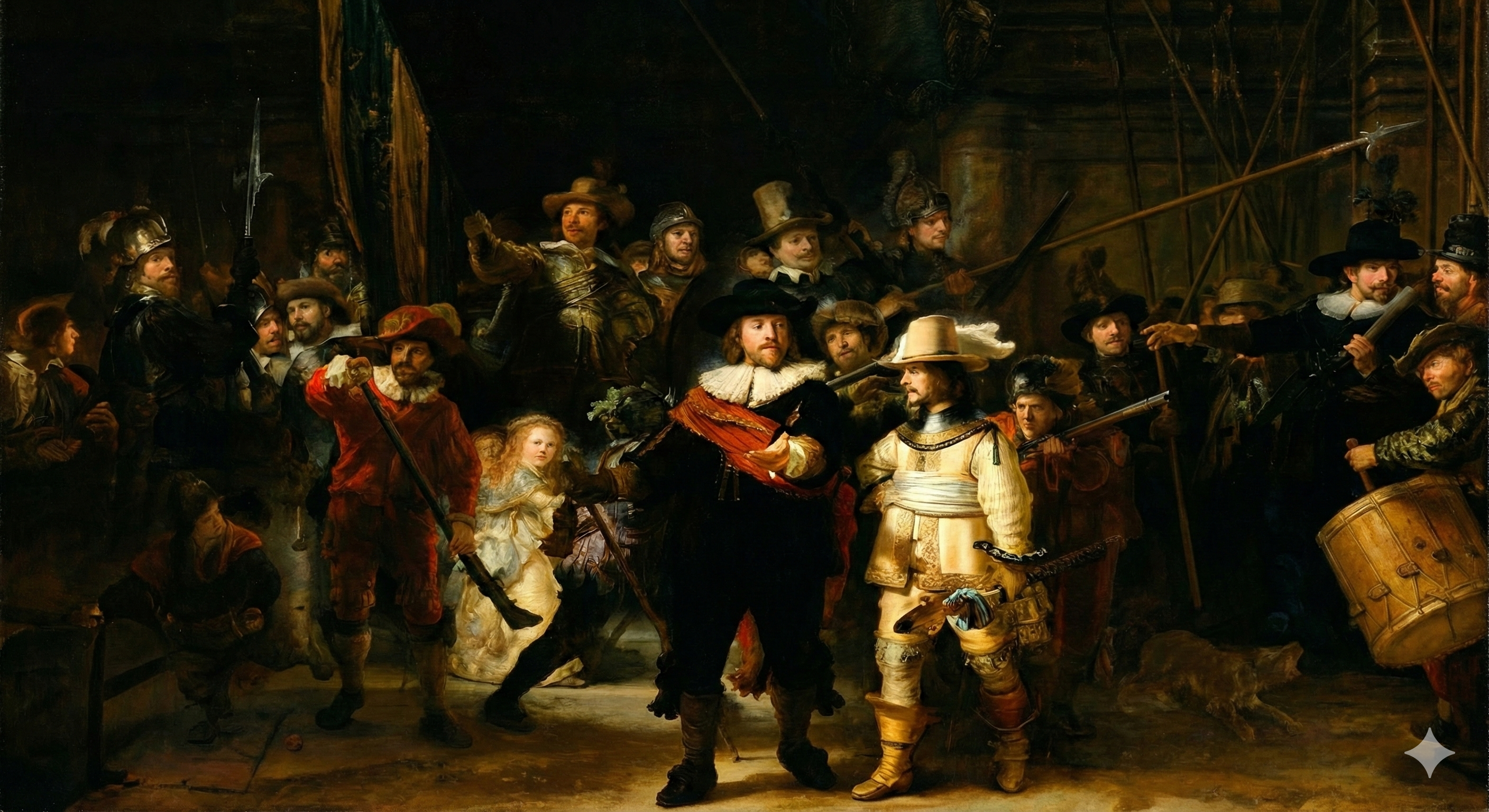
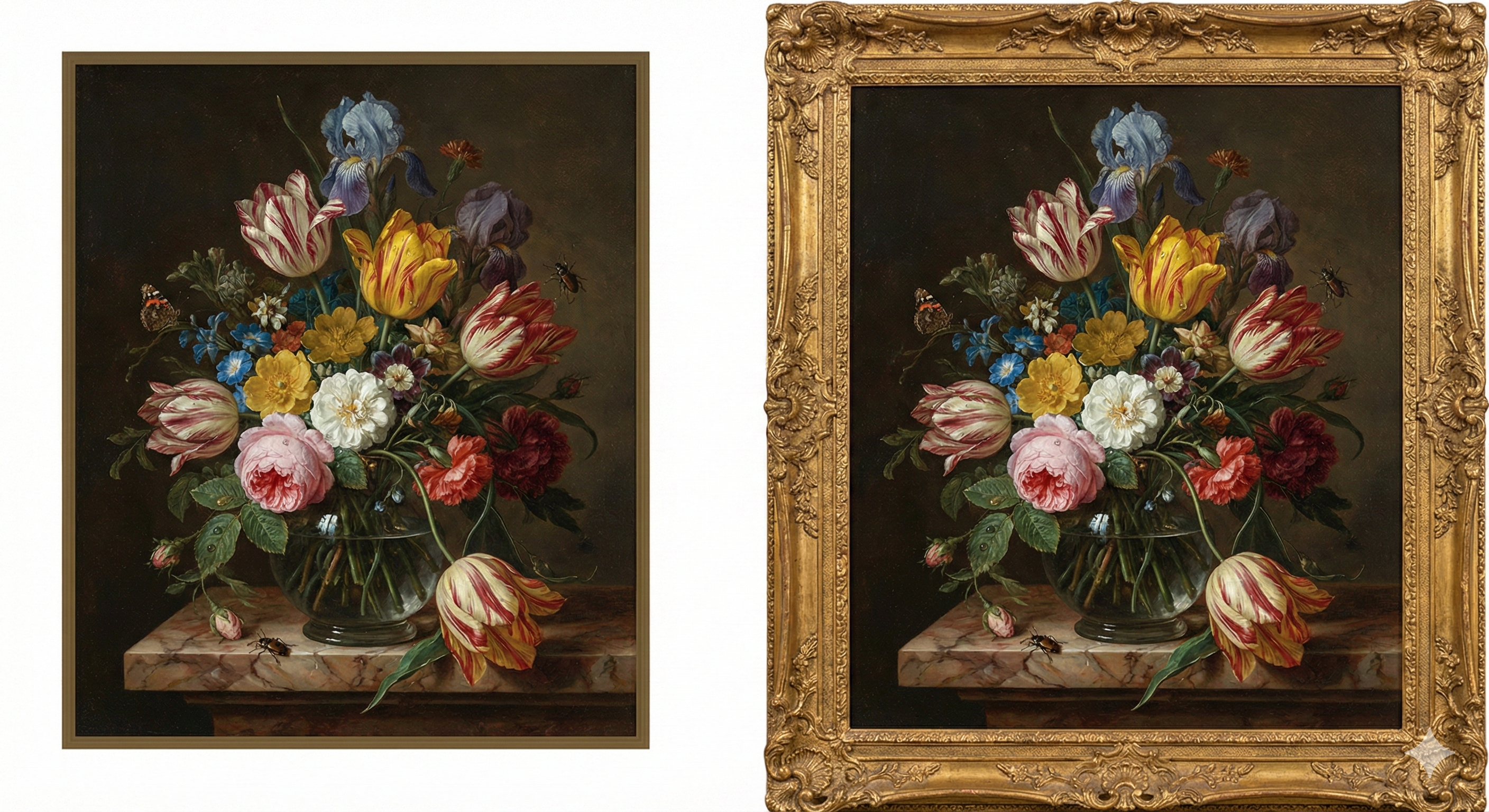
Vanitas with Tulips
Still LifeCommerce, Cloth, and Character
Portraits in the Dutch Golden Age served a very different function than the royal portraits of other European courts. They were the "LinkedIn profiles" of the 17th century. Merchants, regents, and militia guards commissioned these works to project status, reliability, and civic duty. Rembrandt van Rijn revolutionized this genre by introducing movement and psychological depth. His subjects do not just sit; they interrupt a conversation, they gesture, they look out at the viewer with eyes full of life and sorrow. The rough brushwork of his later years broke the smooth illusionism of his predecessors, inviting the viewer to see the paint itself as a substance, a precursor to modernism.
The depiction of texture was paramount. The Dutch textile industry was booming, and painters were expected to differentiate between black velvet, black satin, and black wool within a single painting. This technical virtuosity was a form of visual communication. A lace collar was not just an accessory; it was a complex piece of engineering and a signifier of immense wealth. By rendering these details with painstaking accuracy, artists were validating the social standing of their patrons. Yet, amidst this display of wealth, there was often a moral undertone. The "Vanitas" genre reminded viewers that wealth, beauty, and power were transient.
Today, when we view these portraits in the digital age, we are struck by their humanity. The faces looking back at us are not idealized gods, but flawed, real people. We see the wrinkles of worry, the flush of alcohol, the pride of achievement. This humanism is what makes the Rijksmuseum's collection so universally accessible. It bridges the gap of 400 years, reminding us that while technology changes, human nature remains remarkably consistent.
The democratization of art during this period also meant that paintings were no longer exclusive to cathedrals. They hung in the homes of bakers and blacksmiths. This created a competitive market that drove innovation. Artists had to specialize to survive. Some painted only ships at sea, others only winter scenes, others only breakfast tables. This specialization led to an unprecedented level of technical mastery in specific niches, creating a rich tapestry of visual culture that we are still unraveling today.
Battle of the Sound
Maritime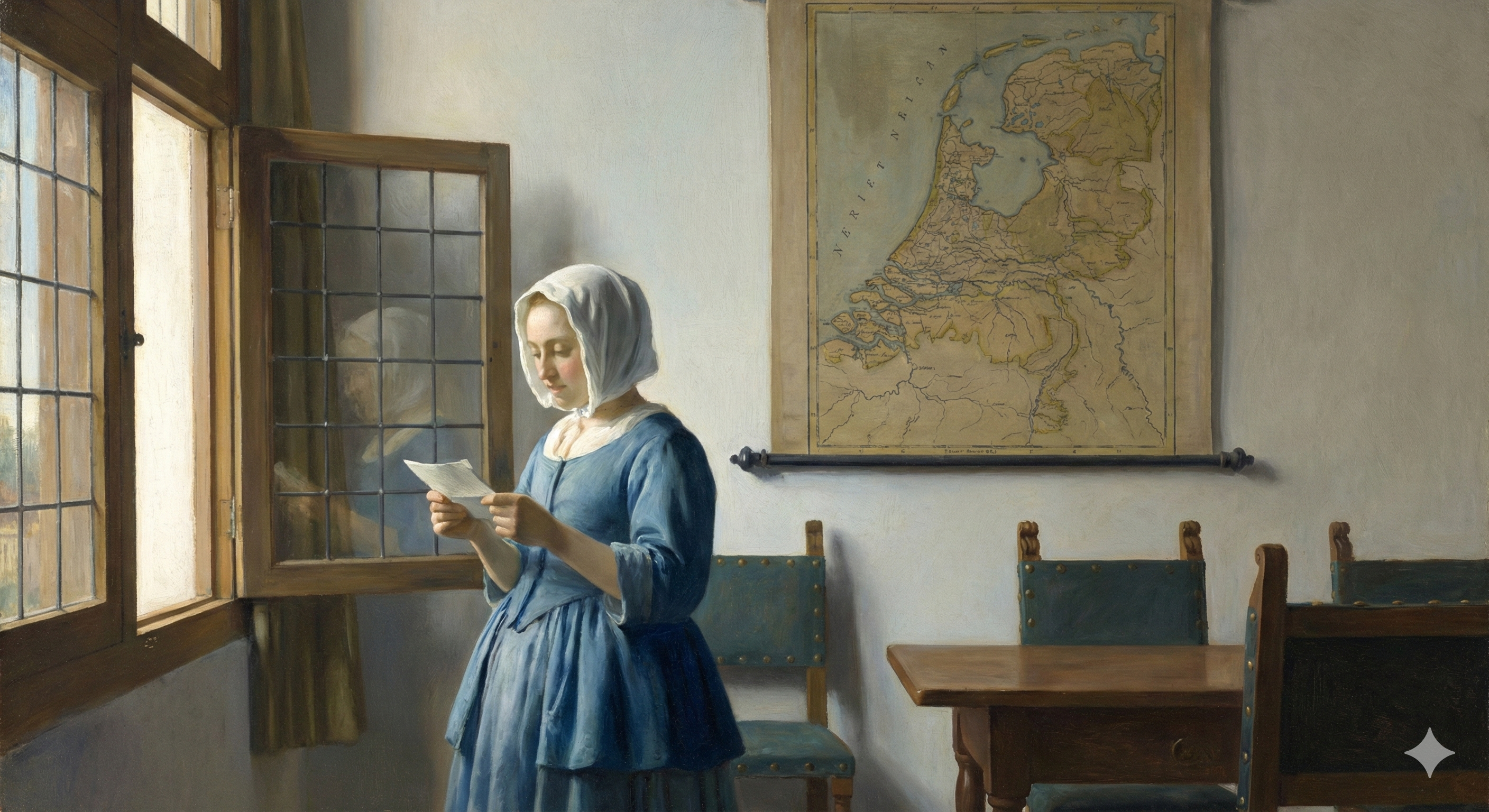
Letter by the Window
Genre Painting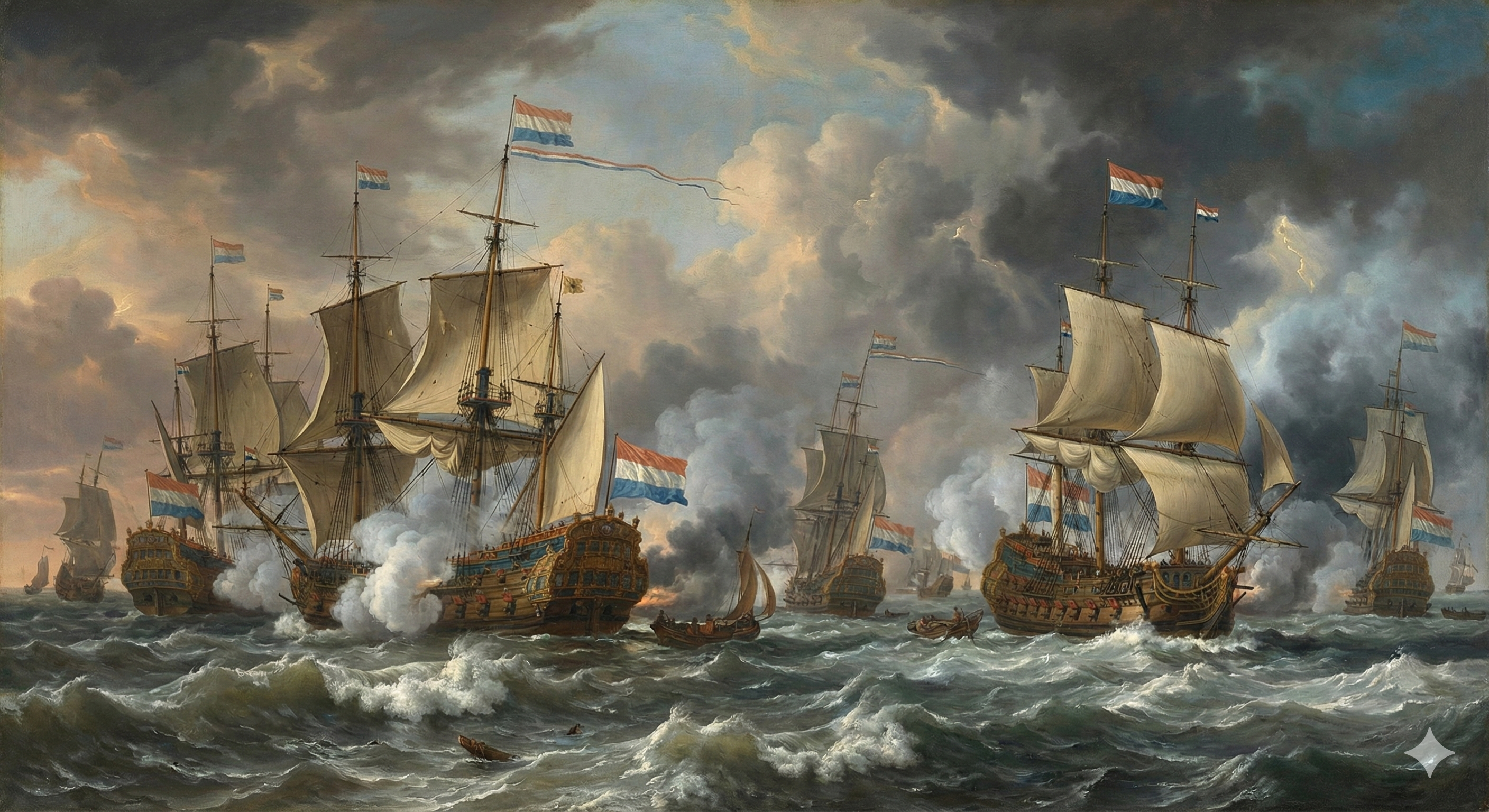
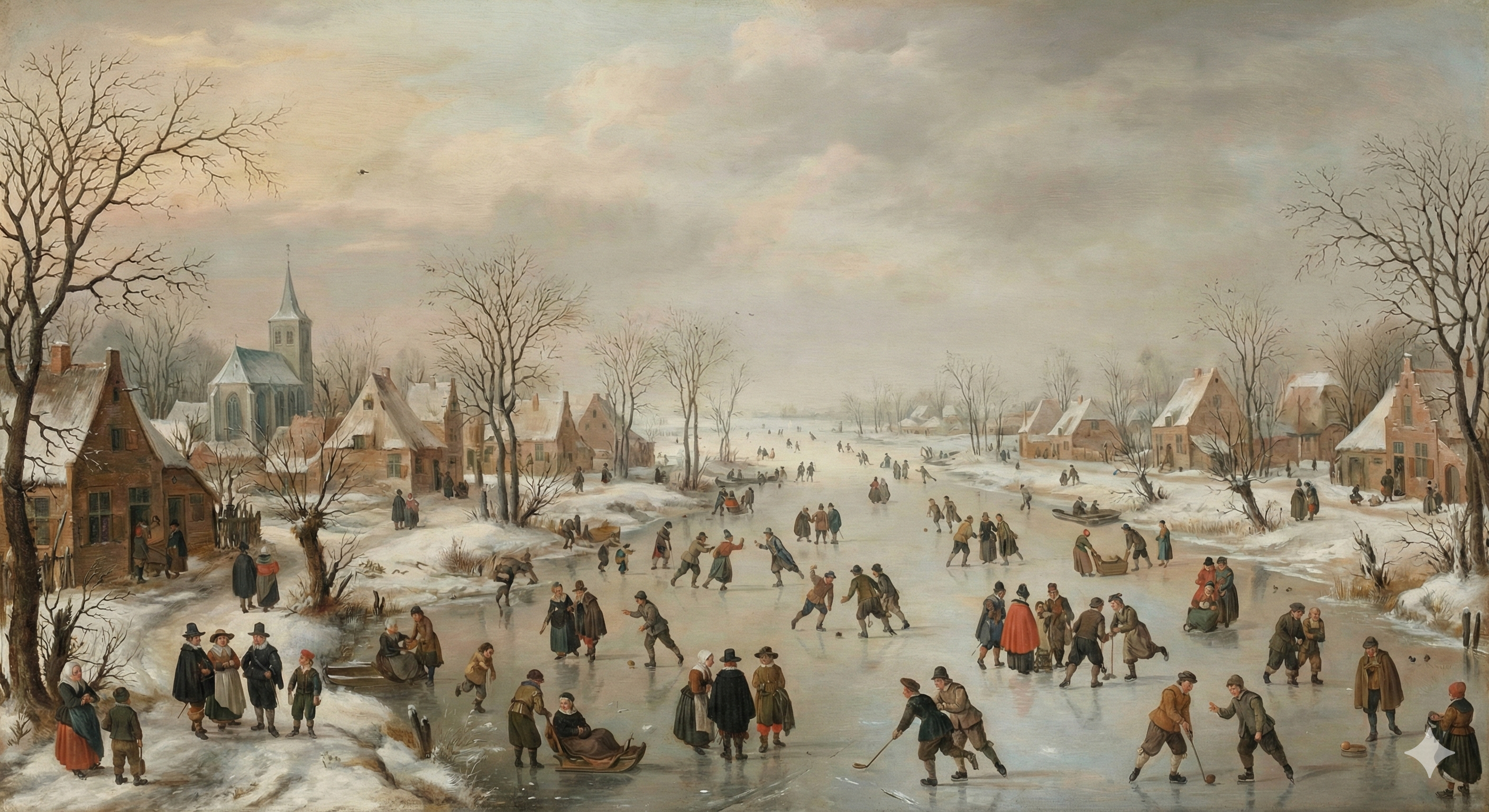
Ice Skaters on the Amstel
LandscapePreservation in the Digital Era
Bringing these masterpieces into the 21st century involves more than just hanging them on a wall; it requires a digital translation. Projects like the high-resolution scanning of "The Night Watch" allow us to see pigment particles that are invisible to the naked eye. We can now analyze the chemical breakdown of lead white and ultramarine, understanding how the paintings have physically changed over time. This scientific approach to art history demystifies the creative process, transforming the artist from a magician into a master craftsman.
However, digital reproduction poses its own questions. Can a screen ever replicate the aura of an original canvas? The texture of the impasto, the way varnish reflects ambient light, the sheer scale of a militia piece—these are physical experiences. Yet, the digital realm offers something the physical cannot: accessibility. A student in Tokyo or a designer in Sao Paulo can study the brushwork of Frans Hals in intimate detail without buying a plane ticket. This democratization aligns perfectly with the spirit of the Dutch Golden Age itself, which sought to bring art into the everyday lives of the people.
As we curate this digital gallery, we are mindful of our role as translators. We are taking physical objects rooted in a specific historical context and presenting them in a boundless digital space. The goal is not to replace the museum visit, but to enhance it. To provide the context, the backstory, and the visual analysis that creates a deeper appreciation. When we look at a digital image of a 17th-century flower still life, we are seeing a digital ghost of a physical object that was itself a representation of a fleeting natural moment. Layers of reality, stacked upon each other.
The Night Watchmen
Militia Portrait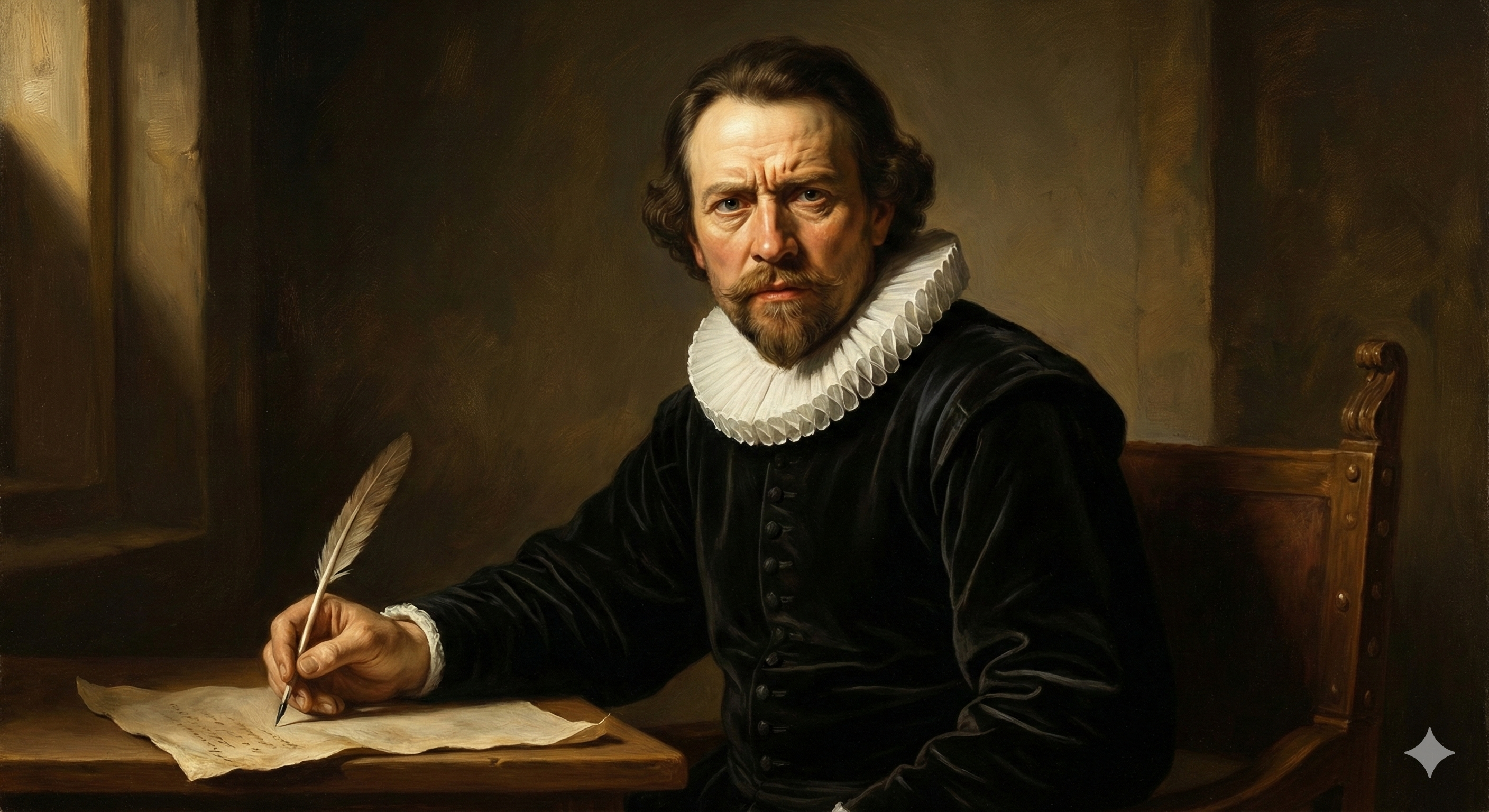
The Kitchen Maid
Genre Painting